
Why This Comparison Matters
Diaspora families in the USA, Canada, UK, UAE and Australia often compare IPTV with cable when they realize their existing TV package still does not cover the Hindi, Punjabi, Urdu or Tamil channels they actually watch.
This comparison looks at channel flexibility, family language coverage, device freedom and monthly cost so viewers can decide which setup fits their home more naturally.
Flexibility
Cable is usually tied to a set-top-box experience in a fixed location. IPTV is more flexible for people who watch in different rooms, switch between devices, or travel and still want access to their streaming setup.
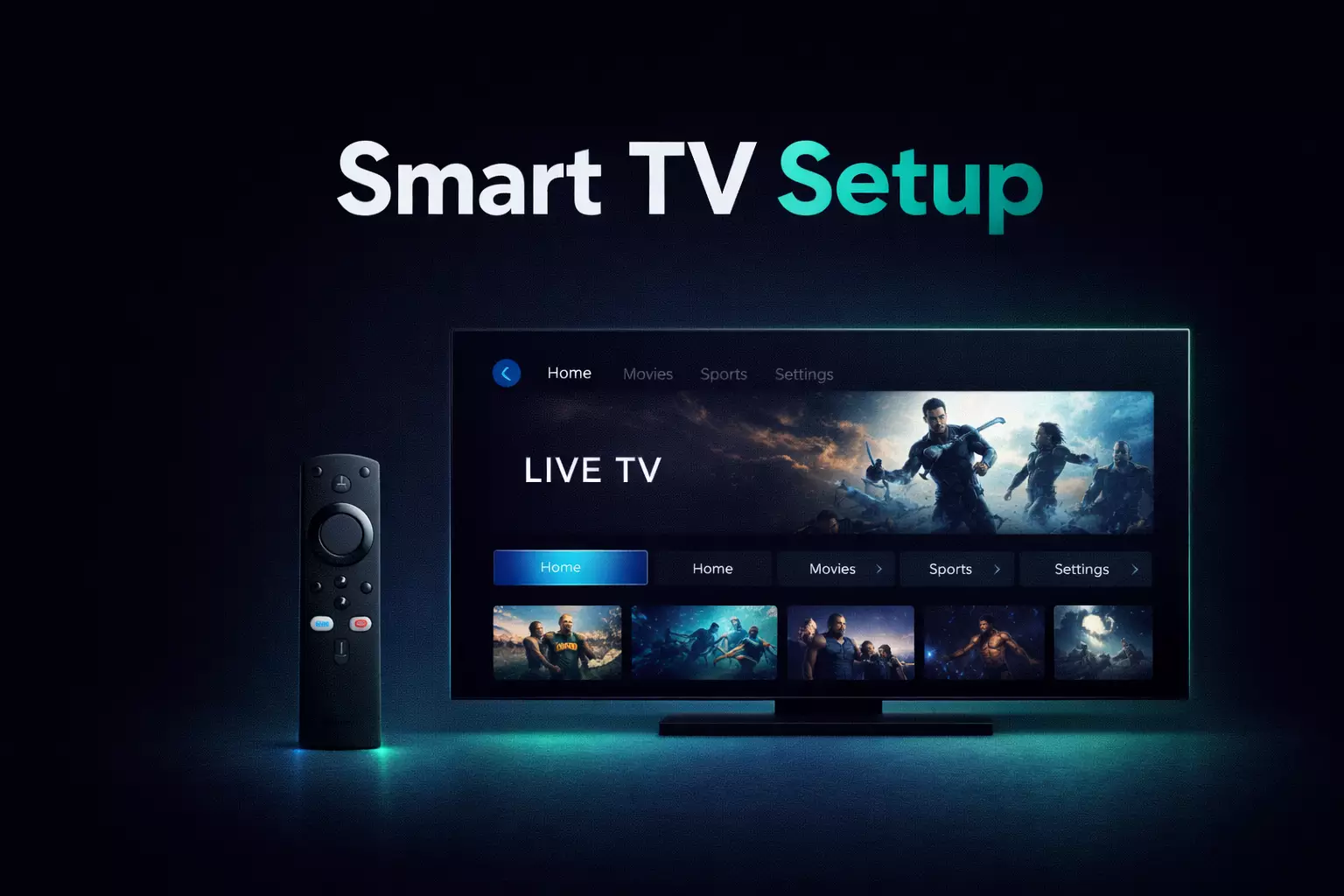
- Watch in the living room on a Smart TV
- Use a Firestick in a second room
- Continue on a phone or tablet when away from home
Channels and Content
Cable providers usually organize content into tiered packages. IPTV appeals to viewers who want a broader mix of live TV, sports, and international content through a more modern app-based interface.
This matters most for sports fans, multilingual households, and viewers who care about switching between live channels and on-demand libraries more easily.
Device Support
Cable works best when you stay inside the provider's hardware ecosystem. IPTV is typically built around devices many households already own: Firestick, Smart TVs, Android boxes, tablets, and phones.
That broader device compatibility gives IPTV an advantage for households that want fewer hardware constraints.
Conclusion
Cable can still suit users who prefer a familiar setup and do not mind fixed hardware or larger bundles. IPTV is often the better fit for households that want flexibility, modern device support, and a more streaming-first experience in 2026. If you want next steps, read how to set up IPTV on Firestick or compare the best IPTV apps for streaming.